Contact Us
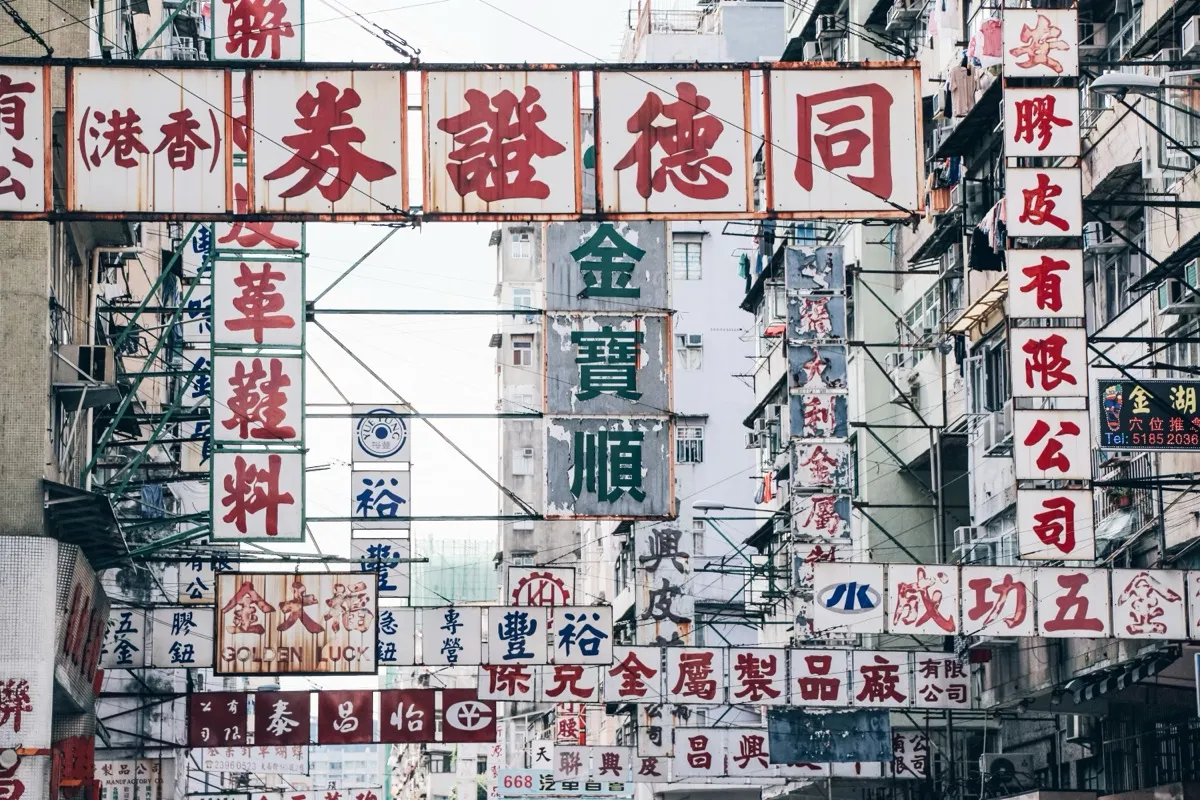
Traditional Hong Kong street signs — the origins of Cha Chaan Teng culture

Cha Chaan Teng in Sydney:
A Guide to Hong Kong's Beloved Cafe Culture

The story behind 茶餐廳 — and where to find it in Sydney

What is a Cha Chaan Teng?

The name itself tells the story: 茶餐廳 — tea () + restaurant () + hall (). But calling a cha chaan teng a "tea restaurant" is like calling a New York diner a "coffee shop." Technically correct, spiritually incomplete.

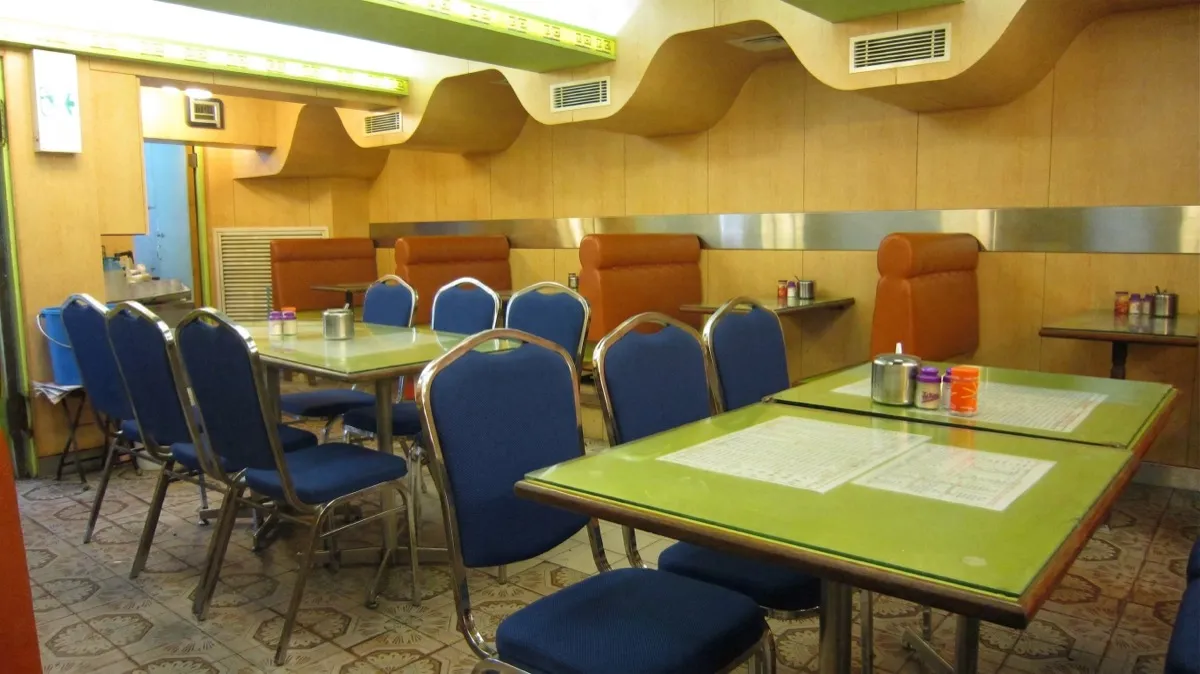
A cha chaan teng is Hong Kong's answer to the neighbourhood cafe, the greasy spoon, and the family kitchen all rolled into one. Walk into any of the thousands scattered across Hong Kong's streets and you'll find laminated menus six pages deep, formica tables packed shoulder to shoulder, and a din of Cantonese that never drops below a happy roar. There are no reservations, no dress codes, and absolutely no pretension.

What makes a cha chaan teng unlike any other Chinese restaurant is the menu itself. You'll find macaroni in soup sitting next to congee. French toast dripping with syrup beside steamed rice rolls. A plate of spaghetti bolognese served with a side of stir-fried greens. It is the food of a city that absorbed British colonial influence and made it entirely its own — a culinary identity that belongs to no one else.

In a cha chaan teng, a construction worker in a hard hat sits at the same table as an office worker in a suit. They both order a 絲襪奶茶 — silk stocking milk tea — and a 菠蘿包 — polo bun. It is the great equaliser of Hong Kong dining. Everyone is welcome. Everyone eats well.
The History of Cha Chaan Teng

The cha chaan teng was born out of necessity. In post-war Hong Kong during the 1950s, Western-style restaurants were the domain of the wealthy — British expatriates and the Chinese elite. A cup of coffee at the Peninsula Hotel cost more than a day's wages for most workers. Something had to give.

1950s Hong Kong — the birth of Cha Chaan Teng cafe culture

Local entrepreneurs began opening small, no-frills eateries that served Western-inspired dishes at local prices. They took the British love of tea, toast, and eggs and reinterpreted them through a Cantonese lens. Ceylon black tea became 奶茶 — pulled through cloth filters until impossibly smooth, then sweetened with evaporated milk. Plain toast became 西多士 — Hong Kong French toast, thick-cut, stuffed with peanut butter, deep-fried, and drenched in golden syrup.

By the 1960s and 70s, cha chaan tengs had become the social backbone of Hong Kong. They were where deals were struck, gossip was shared, and families gathered on weekend mornings. The menu grew to reflect a city in motion: quick breakfasts for early commuters, hearty lunches for factory workers, and late-night meals for students cramming before exams.

The dishes that emerged — baked pork chop rice (焗豬扒飯), instant noodles in broth with a fried egg, macaroni soup with ham (火腿通粉) — were not trying to be authentically Western or traditionally Chinese. They were authentically Hong Kong. And they remain so today.

What to Order at a Cha Chaan Teng

Walking into a cha chaan teng for the first time can feel overwhelming. The menu is long, the Chinese characters are dense, and the waiter is already tapping their pen. Here are the essentials — the dishes that define the experience.

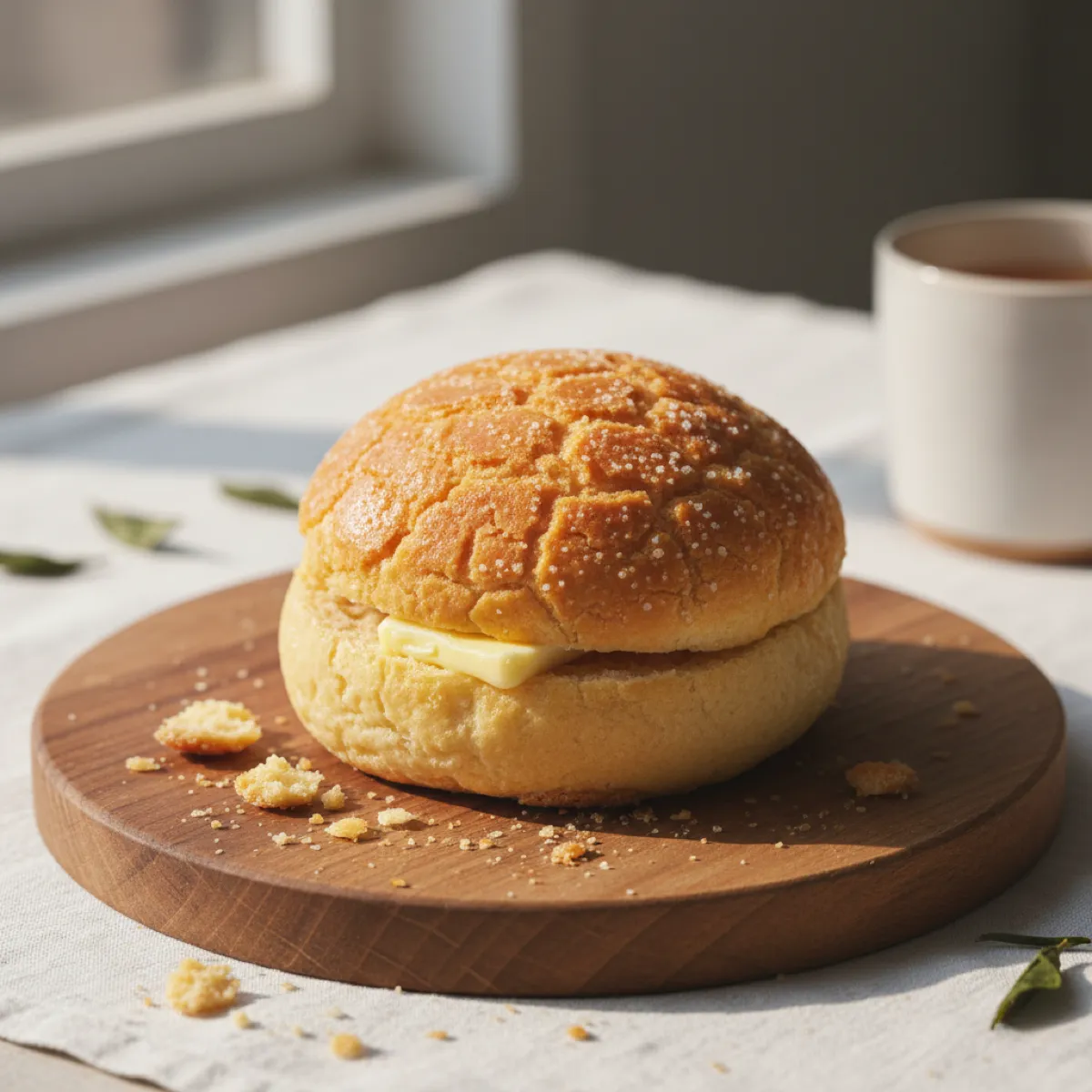
Polo Bun / 菠蘿包 — The crown jewel. A soft, warm bun with a crispy, crackled cookie-like top that shatters when you bite through it. Split it open and slide in a thick slab of cold butter. The contrast of hot and cold, sweet and salty, is pure Hong Kong magic.

Silk Stocking Milk Tea / 絲襪奶茶 — Ceylon black tea, steeped and pulled through a cloth filter until it's dark, smooth, and rich. Sweetened with evaporated milk. The name comes from the filter's resemblance to a silk stocking. It's the drink that fuels the city.

Polo Bun (菠蘿包) at The Peak Hong Kong Cafe

Hong Kong French Toast / 西多士 — Nothing like the brunch version you know. Two thick slices of bread, filled with peanut butter, dipped in egg batter, and deep-fried until golden. Finished with a pat of butter and a generous pour of syrup.

Baked Pork Chop Rice / 焗豬扒飯 — Tender pork chop laid over tomato-fried rice, blanketed in a layer of melted cheese, and baked until bubbling. Comfort food at its most unapologetic.

Satay Beef Noodles / 沙嗲牛肉麵 — Instant noodles — yes, instant — swimming in a fragrant satay broth with slices of tender beef. It's late-night Hong Kong in a bowl.

Iced Lemon Tea / 凍檸茶 — Black tea with bruised lemon slices, served over ice. Tangy, refreshing, and the perfect companion to anything fried.

Macaroni Soup / 通粉湯 — Elbow macaroni in a clear chicken broth with ham and a fried egg. It sounds humble. It tastes like home.

See our full menu →

Cha Chaan Teng in Sydney

Sydney has always had a deep connection to Hong Kong. Waves of migration — in the 1980s, around the 1997 handover, and continuing today — have brought not just people but entire food cultures to Australian shores. And with them, the cha chaan teng has quietly taken root.

You'll find Hong Kong-style cafes in Burwood, Chatswood, and Chinatown. But most cater to large crowds with fast turnover and broad menus. What's rarer is the kind of cha chaan teng that treats each dish with genuine care — where the broth is slow-cooked for twelve hours, where the milk tea is pulled by hand, where the polo buns come out of the oven fresh.

That's why The Peak Hong Kong Cafe exists. Founded in 2020 on Glebe Point Road, The Peak Hong Kong Cafe was born from a simple conviction: that Sydney deserved a cha chaan teng that honoured the tradition without cutting corners. Our kitchen is led by chefs who grew up in Hong Kong's tea houses, and every dish we serve follows the recipes they learned there.

We're not trying to reinvent cha chaan teng. We're trying to preserve it — one polo bun, one cup of milk tea, one perfectly baked pork chop rice at a time.

Explore more Hong Kong food in Sydney →

Visit The Peak Hong Kong Cafe in Glebe

25A Glebe Point Rd, Glebe NSW 2037
Open daily 11:30 AM — 9:00 PM

View Our Menu → More About Glebe →